

Your Ultimate HVAC System Repair Guide
- Leonardo T
- Apr 27
- 4 min read

When your heating or cooling system acts up, it can throw your whole day off. Whether it’s the middle of a chilly Indiana, PA winter or a hot summer afternoon, knowing how to handle HVAC issues can save you time, money, and stress. I’ve put together this HVAC system repair guide to help you understand your system better, spot common problems, and take the right steps to fix them or know when to call in the pros.
Understanding Your HVAC System: The Basics
Before diving into repairs, it’s important to know what makes up your HVAC system. HVAC stands for Heating, Ventilation, and Air Conditioning. These systems keep your indoor environment comfortable year-round.
Here’s a quick breakdown:
Heating: Usually a furnace or heat pump that warms your home.
Ventilation: Moves air in and out to maintain air quality.
Air Conditioning: Cools your home during warm months.
Each part works together to maintain a steady temperature and good air quality. When one part fails, the whole system can struggle.
Common HVAC Components
Thermostat: Controls the temperature settings.
Air Filters: Trap dust and allergens.
Ductwork: Channels air throughout your home.
Compressor: Part of the AC that cools the air.
Blower Motor: Circulates air through ducts.
Knowing these parts helps you identify where problems might be coming from.

Your Step-by-Step HVAC System Repair Guide
When your system isn’t working right, don’t panic. Follow this simple guide to troubleshoot and possibly fix common issues.
1. Check the Thermostat
Sometimes the problem is as simple as incorrect thermostat settings or dead batteries. Make sure:
The thermostat is set to the correct mode (heat or cool).
The temperature setting is appropriate.
Batteries are fresh if it’s a battery-powered model.
2. Inspect and Replace Air Filters
Dirty filters reduce airflow and strain your system. Replace filters every 1-3 months depending on usage.
Look for dust buildup or discoloration.
Use the correct filter size and type.
Regular replacement improves efficiency and air quality.
3. Examine Circuit Breakers and Power Supply
If your system won’t turn on, check your home’s electrical panel.
Reset any tripped breakers.
Ensure the HVAC unit is plugged in.
Look for blown fuses.
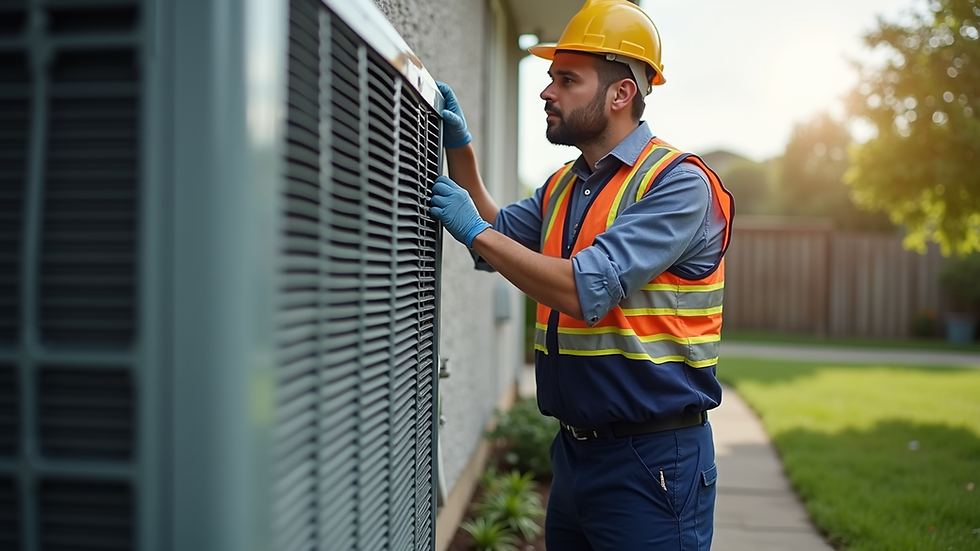
4. Clear Debris Around Outdoor Units
Outdoor AC units can get clogged with leaves, dirt, or grass clippings.
Turn off power before cleaning.
Remove debris gently with a brush or hose.
Keep at least 2 feet of clearance around the unit.
5. Listen for Unusual Noises
Strange sounds can indicate mechanical issues.
Squealing or grinding may mean worn belts or motors.
Banging could be loose parts.
Hissing might signal refrigerant leaks.
If you hear these, it’s best to call a professional.
6. Check for Airflow Problems
Weak airflow can be caused by:
Blocked vents or registers.
Closed or obstructed ductwork.
Dirty blower fans.
Make sure vents are open and unobstructed. Clean vents and ducts if needed.
7. Inspect Refrigerant Levels
Low refrigerant causes poor cooling and can damage your AC.
Signs include warm air or ice buildup on coils.
Refrigerant handling requires a licensed technician.
When to Call for Professional Help
Some repairs are best left to experts, especially if you’re dealing with electrical components, refrigerant, or complex mechanical parts. If you’ve tried the basics and your system still isn’t working, don’t hesitate to reach out for professional hvac repair.
What HVAC Systems Are Best for Allergies?
If you or your family suffer from allergies, your HVAC system can either help or worsen symptoms. Choosing the right system and maintaining it properly is key.
Features to Look For
High-Efficiency Air Filters: HEPA or MERV 13+ filters trap tiny allergens.
UV Light Air Purifiers: Kill bacteria and mold spores.
Humidity Control: Keeps indoor humidity between 30-50% to reduce dust mites and mold.
Sealed Ductwork: Prevents dust and allergens from entering the airflow.
System Types That Help Allergy Sufferers
Heat Pumps with Advanced Filtration: Provide both heating and cooling with good air quality.
Energy Recovery Ventilators (ERVs): Exchange stale indoor air with fresh outdoor air while filtering it.
Central Air Systems with Zoned Controls: Allow you to control airflow and filtration in specific rooms.
Regular maintenance is crucial. Change filters often, clean ducts, and schedule professional tune-ups to keep allergens at bay.

Tips for Maintaining Your HVAC System Year-Round
Keeping your system in top shape prevents breakdowns and extends its life. Here are some easy maintenance tips:
Schedule Seasonal Tune-Ups: Have a professional inspect and clean your system twice a year.
Change Filters Regularly: Don’t wait until filters are clogged.
Keep Outdoor Units Clean: Remove debris and trim plants nearby.
Seal and Insulate Ducts: Prevent leaks and improve efficiency.
Monitor Thermostat Settings: Use programmable thermostats to save energy.
Check for Strange Smells or Sounds: Early signs of trouble.
By staying proactive, you avoid costly repairs and enjoy consistent comfort.
Energy Efficiency and Eco-Friendly HVAC Repairs
Energy-efficient HVAC systems save money and reduce environmental impact. When repairing or upgrading, consider:
High SEER Rated AC Units: Use less electricity.
Smart Thermostats: Optimize heating and cooling schedules.
Proper Insulation: Keeps your home temperature stable.
Eco-Friendly Refrigerants: Less harmful to the environment.
Ask your technician about green options during repairs or replacements. Small changes can make a big difference.
Taking Control of Your Comfort
Understanding your HVAC system and knowing how to handle common issues empowers you to keep your home comfortable all year. Whether it’s a quick filter change or recognizing when to call for professional hvac repair, you’re in control.
Remember, regular maintenance and timely repairs not only improve comfort but also save money in the long run. Keep this guide handy, and you’ll be ready to tackle HVAC challenges with confidence.


Comments