

Understanding Furnace Breakdowns and Repairs: Common Furnace Breakdown Causes

When your furnace stops working, it can feel like the cold is closing in fast. I’ve been there, and I know how frustrating it is to face a chilly home or office without warning. Understanding furnace breakdown causes can help you spot problems early and avoid a full system failure. In this post, I’ll walk you through the most common reasons furnaces break down, what you can do about it, and how to keep your heating system running smoothly all winter long.
Common Furnace Breakdown Causes You Should Know
Furnaces are complex machines, but many breakdowns happen because of a few typical issues. Knowing these furnace breakdown causes can save you time, money, and discomfort.
Dirty or Clogged Filters
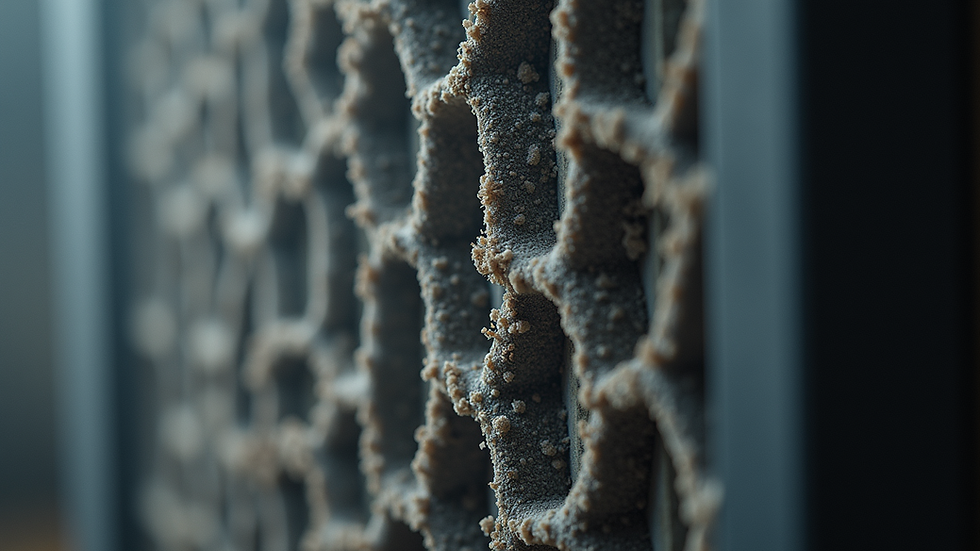
A dirty filter restricts airflow, making your furnace work harder. This can cause overheating and eventually damage the system. Changing filters regularly is one of the easiest ways to prevent breakdowns.
Thermostat Problems
Sometimes the issue isn’t the furnace but the thermostat. If it’s not calibrated correctly or has dead batteries, your furnace might not turn on or off as it should.
Ignition or Pilot Control Issues
Older furnaces use a pilot light, while newer ones have electronic ignition. If these fail, your furnace won’t produce heat. This is a common cause of furnace breakdowns.
Wear and Tear on Parts
Over time, parts like belts, bearings, and motors wear out. Regular maintenance can catch these issues before they cause a breakdown.
Lack of Maintenance
Skipping annual tune-ups can lead to dirt buildup, worn parts, and unnoticed problems that eventually cause your furnace to fail.
Blocked Vents or Flues
If vents or flues are blocked, exhaust gases can’t escape properly, which is dangerous and can cause the furnace to shut down.
Electrical Issues
Faulty wiring or blown fuses can stop your furnace from running. Electrical problems are often tricky and require professional attention.
Understanding these furnace breakdown causes helps you take action early. Regular inspections and maintenance are key to avoiding unexpected cold spells.
How much is the average furnace repair?
One of the first questions I get asked is, “How much will it cost to fix my furnace?” The answer depends on the problem, but here’s a general idea to help you plan.
Minor Repairs (e.g., thermostat replacement, filter change): $100 - $300
Ignition or Pilot Light Repair: $150 - $400
Blower Motor Repair or Replacement: $300 - $600
Heat Exchanger Repair: $500 - $1,200
Full Furnace Replacement: $2,500 - $7,500
Keep in mind, these prices vary based on your furnace model, age, and local labor rates. It’s always best to get a detailed estimate from a trusted HVAC professional. Investing in regular maintenance can reduce the chance of costly repairs.
What to Do When Your Furnace Breaks Down
When your furnace stops working, it’s important to stay calm and follow these steps:
Check the Thermostat
Make sure it’s set to “heat” and the temperature is higher than the current room temperature.
Inspect the Filter
Replace it if it looks dirty or clogged.
Look for Power Issues
Check your circuit breaker or fuse box to ensure the furnace has power.
Reset the Furnace
Some models have a reset button. Consult your manual for instructions.
Listen for Strange Noises
Grinding, banging, or squealing sounds can indicate mechanical problems.
Call a Professional
If these steps don’t fix the problem, it’s time to call for furnace repair. Attempting complex repairs yourself can be dangerous and may void warranties.
Taking these actions quickly can prevent further damage and get your furnace back up and running sooner.
How to Prevent Furnace Breakdowns
Prevention is always better than repair. Here are some simple tips to keep your furnace in top shape:
Schedule Annual Maintenance
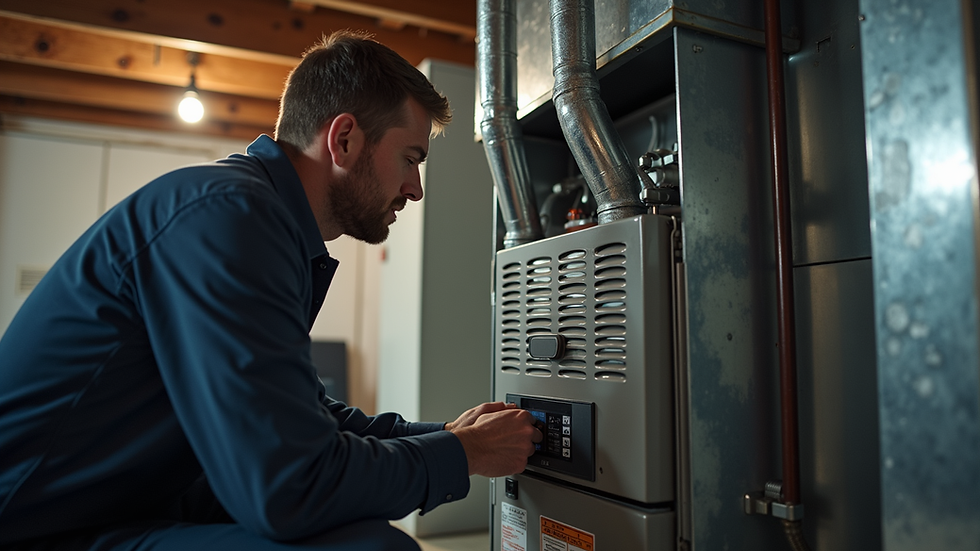
A professional tune-up can catch small issues before they become big problems.
Change Filters Regularly
Replace filters every 1-3 months depending on usage and filter type.
Keep Vents Clear
Don’t block air vents with furniture or curtains.
Monitor Your Thermostat
Replace batteries and upgrade to a programmable thermostat for better control.
Inspect Your Furnace Area
Keep the area around your furnace clean and free of debris.
Listen and Watch for Warning Signs
Strange noises, uneven heating, or increased energy bills can signal trouble.
By following these tips, you’ll extend the life of your furnace and enjoy consistent warmth all season.
When to Call for Professional Help
Some furnace issues are easy to fix, but others require expert knowledge. Here’s when you should call a professional:
If your furnace won’t start after basic troubleshooting
If you smell gas or notice a strong odor near your furnace
If the pilot light won’t stay lit or the ignition keeps failing
If you hear loud or unusual noises coming from the furnace
If your home has uneven heating or cold spots
If your furnace cycles on and off frequently (short cycling)
If you notice increased energy bills without a change in usage
Professional technicians have the tools and training to diagnose and fix problems safely and efficiently. Don’t wait until a small issue turns into a costly emergency.
Keeping Warm and Comfortable Year-Round
Understanding furnace breakdown causes and how to respond is the first step to staying warm and comfortable. Regular maintenance, quick troubleshooting, and knowing when to call for help will keep your heating system reliable through the coldest months.
If you ever find yourself facing a furnace problem, remember these tips and don’t hesitate to reach out for expert furnace repair. Staying proactive is the best way to protect your home or business and enjoy peace of mind all winter long.


Comments