

Handling HVAC Emergencies: Managing Emergency HVAC Situations with Confidence
- Leonardo T
- Jun 15
- 4 min read

When your heating or air conditioning system suddenly stops working, it can feel overwhelming. Whether it's the middle of a freezing winter night or a scorching summer afternoon, knowing how to handle HVAC emergencies can save you time, money, and stress. I’m here to guide you through managing emergency HVAC situations with clear, practical advice that anyone can follow.
Handling HVAC Emergencies: What You Need to Know
Emergencies with your HVAC system can happen at any time. The key is to stay calm and act quickly. Here’s what I recommend:
Identify the problem early. Is your system not turning on? Is it making strange noises? Or maybe it’s running but not heating or cooling properly.
Turn off the system if you suspect a serious issue. This can prevent further damage or safety hazards.
Check your thermostat settings. Sometimes the solution is as simple as adjusting the temperature or switching modes.
Look for obvious issues. Check your circuit breaker, air filters, and outdoor unit for blockages or debris.
Call a professional if you’re unsure. HVAC systems are complex, and trying to fix them without experience can cause more harm than good.
Remember, quick action and knowing what to check first can make a big difference in managing emergency HVAC situations effectively.

Common Causes of HVAC Emergencies and How to Prevent Them
Understanding what causes HVAC emergencies helps you avoid them. Here are some frequent culprits and tips to prevent them:
Dirty or clogged filters: These reduce airflow and strain your system. Change filters every 1-3 months.
Thermostat issues: Faulty or misprogrammed thermostats can cause your system to behave erratically. Test and replace batteries regularly.
Refrigerant leaks: Low refrigerant means poor cooling and can damage your compressor. Schedule annual inspections to catch leaks early.
Electrical problems: Worn wiring or tripped breakers can shut down your system. Have an electrician or HVAC pro check your system’s electrical components.
Frozen coils: Poor airflow or low refrigerant can cause coils to freeze, stopping your AC from working. Keep vents clear and maintain your system regularly.
By staying on top of maintenance, you reduce the chances of facing an emergency. Preventive care is your best defense.
What is the 3 Minute Rule for Air Conditioners?
The 3 minute rule is a simple but important guideline to protect your air conditioner. After turning off your AC, wait at least 3 minutes before turning it back on. Here’s why:
Protects the compressor: The compressor needs time to equalize pressure. Turning it on too soon can cause damage.
Prevents system overload: Rapid cycling can wear out components faster and increase energy use.
Extends equipment life: Following this rule helps your AC run smoothly and last longer.
If your AC shuts off unexpectedly, don’t rush to restart it. Wait patiently for 3 minutes, then try again. If it still doesn’t work, it’s time to call a professional.
How to Handle Emergency Heating and Air Conditioning Situations
When you face an urgent HVAC problem, here’s a step-by-step approach to keep things under control:
Stay safe first. If you smell gas or see sparks, evacuate immediately and call emergency services.
Turn off your HVAC system. Use the thermostat or breaker to shut it down.
Inspect your system. Look for obvious issues like tripped breakers, dirty filters, or blocked vents.
Try simple fixes. Replace filters, reset breakers, or adjust thermostat settings.
Contact a trusted HVAC service. For serious problems, professional help is essential.
If you’re in Indiana, PA, and need fast, reliable help, emergency heating and air conditioning services are available to get your system back up quickly.
Tips for Preparing Your HVAC System to Avoid Emergencies
Preparation is the best way to avoid emergency HVAC situations. Here are some practical tips:
Schedule regular maintenance. Twice a year is ideal—before summer and winter.
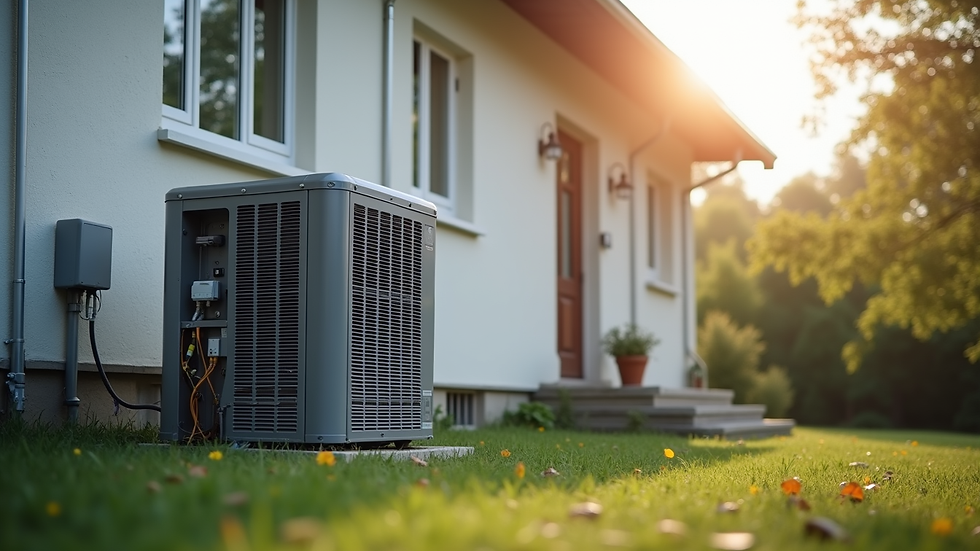
Keep your outdoor unit clear. Remove leaves, dirt, and debris regularly.
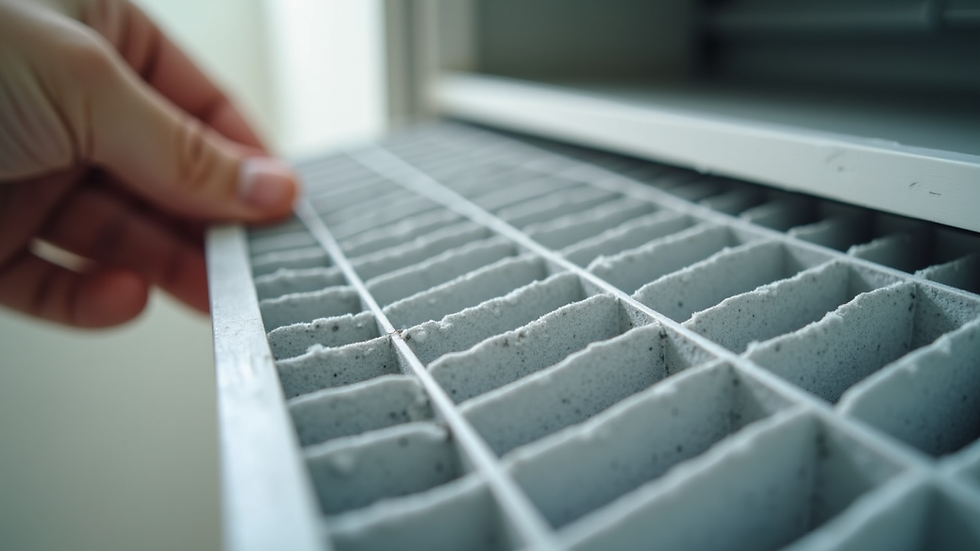
Change air filters on time. This keeps airflow strong and your system efficient.
Monitor your system’s performance. Notice any unusual noises, smells, or temperature changes.
Seal your home properly. Good insulation and sealed windows reduce HVAC strain.
Know your system’s age and condition. Older units may need replacement before they fail.
By following these steps, you can enjoy consistent comfort and avoid unexpected breakdowns.
When to Call a Professional for HVAC Emergencies
Sometimes, DIY fixes aren’t enough. Here’s when you should call an expert:
Your system won’t turn on after checking breakers and thermostat.
You notice strange noises like banging, grinding, or hissing.
There’s a burning smell or visible smoke.
Your home is not heating or cooling properly despite adjustments.
You see water pooling around your HVAC unit.
You suspect a refrigerant leak or electrical issue.
Professional technicians have the tools and knowledge to diagnose and fix problems safely and efficiently. Don’t wait too long—early intervention can save you money and prevent bigger issues.
Staying Comfortable and Safe During HVAC Emergencies
While waiting for repairs, here are some tips to stay comfortable and safe:
Use portable fans or space heaters as needed.
Close blinds and curtains to keep heat or cold out.
Dress in layers to adjust to temperature changes.
Keep hydrated and avoid strenuous activity in extreme temperatures.
Have emergency contact numbers handy for quick access.
Being prepared and knowing what to do helps you stay calm and comfortable during an HVAC emergency.
Handling HVAC emergencies doesn’t have to be stressful. With the right knowledge and quick action, you can manage most situations confidently. Remember to keep up with regular maintenance, follow safety guidelines, and don’t hesitate to call professionals when needed. Your comfort and safety are worth it.

Comments