

Diagnosing Common HVAC Problems: Your Go-To Guide for HVAC Troubleshooting

When your heating or cooling system acts up, it can throw your whole day off. I know how frustrating it is when your HVAC system suddenly stops working or doesn’t perform like it should. But before you panic or call for expensive service, there are some common HVAC problems you can diagnose yourself. Understanding these issues helps you decide when to call a pro and when a simple fix will do.
In this guide, I’ll walk you through the most frequent HVAC problems, how to spot them, and what you can do to keep your system running smoothly. Whether you’re a homeowner or run a business in Indiana, PA, this information will empower you to handle HVAC troubleshooting with confidence.
Understanding HVAC Troubleshooting: Where to Start
HVAC troubleshooting starts with observation. Your system gives you clues when something is wrong. Here’s how to begin:
Listen for unusual noises: Rattling, banging, or squealing sounds often point to mechanical issues.
Check airflow: Weak or no airflow from vents can mean clogged filters or blower problems.
Monitor temperature: If your space isn’t heating or cooling properly, the thermostat or refrigerant levels might be off.
Look for leaks: Water pooling near your unit or oily spots can indicate refrigerant leaks or drainage issues.
By paying attention to these signs, you can narrow down the problem before calling for hvac repair.
Common HVAC Troubleshooting Tips
Reset your thermostat: Sometimes, a simple reset fixes communication glitches.
Replace air filters regularly: Dirty filters reduce efficiency and strain your system.
Inspect circuit breakers: A tripped breaker can stop your HVAC from running.
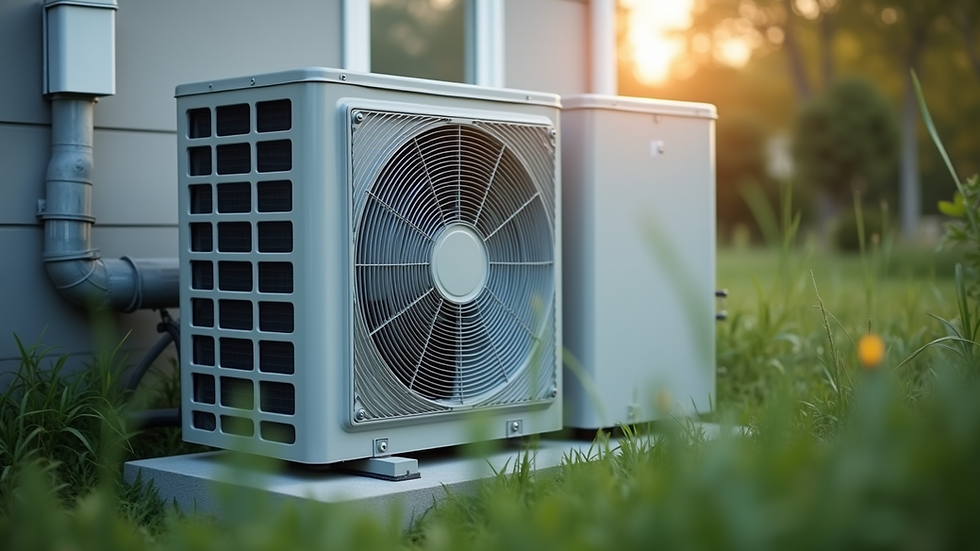
Clear debris around outdoor units: Leaves and dirt can block airflow and cause overheating.
These basic steps often solve minor issues and keep your system in good shape.

Diagnosing Common HVAC Problems: What to Look For
Let’s dive into specific problems you might encounter and how to diagnose them:
1. HVAC System Won’t Turn On
If your system refuses to start, check these:
Thermostat settings: Make sure it’s set to the correct mode (heat or cool) and temperature.
Power supply: Verify the unit is plugged in and breakers are on.
Blown fuses or tripped breakers: Reset if necessary.
Dirty or faulty thermostat: Replace batteries or the thermostat itself if it’s malfunctioning.
2. Poor Airflow from Vents
Weak airflow can be caused by:
Clogged air filters: Replace filters every 1-3 months.
Blocked or closed vents: Ensure all vents are open and unobstructed.
Dirty blower fan: Dust buildup can reduce fan speed.
Duct leaks or damage: Inspect ducts for holes or disconnections.
3. Uneven Heating or Cooling
If some rooms are too hot or cold:
Check thermostat placement: Avoid direct sunlight or drafts near the thermostat.
Inspect ductwork: Leaks or poor insulation can cause uneven temperatures.
Balance dampers: Adjust dampers in ducts to control airflow distribution.
Consider zoning systems: For larger spaces, zoning can improve comfort.
4. Strange Noises
Noises can tell you a lot:
Banging or clanking: Loose or broken parts.
Squealing: Worn belts or motor issues.
Rattling: Debris in the unit or loose panels.
Hissing: Refrigerant leaks.
If you hear any of these, it’s best to schedule professional hvac repair to avoid further damage.
5. Water Leaks Around the Unit
Water near your HVAC system usually means:
Clogged condensate drain: Clear the drain line to prevent overflow.
Frozen evaporator coils: Caused by low refrigerant or airflow issues.
Improper installation: Check for sloping issues in drain pans.
Addressing leaks quickly prevents water damage and mold growth.
Can HVAC Systems Improve Allergies?
Absolutely! Your HVAC system plays a big role in indoor air quality, which directly affects allergies. Here’s how:
High-quality air filters: Using HEPA or allergen-rated filters traps dust, pollen, and pet dander.
Regular maintenance: Cleaning ducts and coils reduces mold and bacteria buildup.
Humidity control: Proper humidity levels prevent mold growth and dust mites.
Air purifiers and UV lights: Some HVAC systems can be equipped with these to kill airborne allergens.
If you or your family suffer from allergies, investing in HVAC upgrades and regular maintenance can make a noticeable difference in comfort and health.
When to Call a Professional for HVAC Repair
While many HVAC troubleshooting steps are simple, some problems require expert attention. Call a professional if you notice:
Persistent or worsening issues after basic fixes.
Refrigerant leaks or low refrigerant levels.
Electrical problems beyond resetting breakers.
Strange smells like burning or gas.
Frequent cycling on and off.
System age over 10-15 years with recurring problems.
Professional technicians have the tools and knowledge to diagnose complex issues safely and efficiently. Remember, timely service can save you money by preventing bigger breakdowns.
Keeping Your HVAC System Healthy Year-Round
Preventive care is the best way to avoid common HVAC problems. Here are my top tips for maintaining your system:
Schedule seasonal tune-ups: Have a pro inspect and clean your system twice a year.
Change filters regularly: Mark your calendar to replace filters every 1-3 months.
Keep outdoor units clean: Remove leaves, dirt, and debris around the unit.
Seal and insulate ducts: Prevent energy loss and improve airflow.
Monitor thermostat settings: Use programmable thermostats to optimize comfort and efficiency.
By following these steps, you’ll extend your system’s life and enjoy consistent comfort.
Diagnosing common HVAC problems doesn’t have to be overwhelming. With a little knowledge and attention, you can spot issues early and keep your heating and cooling system running smoothly. When in doubt, don’t hesitate to reach out for professional hvac repair to ensure your system stays reliable and efficient all year long.


Comments